



The healthcare industry is no stranger to the challenges of managing large volumes of patient records. Traditional paper systems are full of inefficiencies, more chances for mistakes, and high costs for storing and finding records. When quick, informed decision-making is critical, reliance on such outdated methods can hinder patient care and operational success.
Digitized medical records are transforming healthcare, yet only 15 countries have fully unified electronic health record (EHR) systems. This underscores the need for better interoperability to enable seamless data sharing. Moreover, the COVID-19 pandemic demonstrated how EHRs can accelerate vaccine tracking and monitoring, showcasing their critical role in crisis management.
This blog explores the digitization of medical records, showing how technology simplifies healthcare and improves patient outcomes. Discover why digitization is key to modern healthcare transformation.
What Are Digital Medical Records?
Digitizing medical records is the process of converting paper documents into secure, searchable digital files (such as PDFs). This typically involves scanning, indexing with metadata (like patient name and date), and storing the information in an Electronic Health Record (EHR) system. They serve as a centralized, digitalized archive for storing important health information, for example: medical history, diagnoses, medications, treatment plans, vaccination dates, test results, and more.
Unlike paper records, digital medical records are designed to be easily accessible, securely stored, and shareable among authorized healthcare providers. They enable healthcare professionals to access a patient’s complete medical history in real-time, regardless of location, ensuring better coordination of care.
The Medical Record Digitization Process:
To transition from paper to digital, healthcare providers typically follow these five essential steps:
- Scanning: High-resolution scanning of physical charts, labs, and images using HIPAA-compliant hardware.
- Indexing & Classification: Using AI and OCR to tag files with metadata (such as patient name and date) for easy searching.
- Storage: Secure integration of digital files into a Document Management System (DMS), EHR, or EMR.
- Quality Assurance: Reviewing scanned digital files for accuracy, clarity, and completeness.
- Secure Disposal: Professional, secure shredding of old paper records to ensure patient privacy.
By replacing outdated paper systems with this structured process, digital medical records boost efficiency, reduce the risk of errors, and provide a solid foundation for advanced healthcare technologies. They aren’t just an upgrade; they are a crucial step in modernizing healthcare.
The Benefits of Digitizing Medical Records
Transitioning to digitized medical records brings significant improvements to healthcare delivery. Let’s dive into the five key benefits of digitizing medical documents.
- Improved efficiency: Digitized records significantly reduce the time spent on administrative tasks. Healthcare providers can quickly search, collect, and update patient information, enabling them to focus more on patient care rather than paperwork.
- Better data accessibility: Authorized healthcare professionals can access medical records in real time, regardless of their location. This is particularly beneficial for emergency care, telemedicine, or when patients are referred to specialists.
- Enhanced Security: Protects sensitive patient data from loss or theft with robust encryption and full HIPAA compliance, providing better resilience than physical paper archives.
- Cost savings: While digitization requires an initial investment, it eliminates the ongoing costs such as physical storage and document printing. Over a longer period, healthcare facilities save significantly on operational expenses.
- Seamless collaboration: Connected systems allow seamless sharing of medical information across different healthcare providers. This ensures better coordination of care, particularly for patients with chronic conditions who need to consult multiple specialists.
Challenges of Medical Record Digitization
While the transition offers long-term value, healthcare providers may face some initial hurdles. The most common challenges include high initial costs for software and hardware, potential workflow disruption as staff adapt to new digital processes, and ensuring interoperability between different EHR systems. However, selecting an automated and scalable solution helps minimize these obstacles and ensures a smoother digital transformation.
Key Features to Look for in Medical Record Digitization Solutions
Selecting the best solution for digitizing medical records is of great importance to advancing healthcare operations. Let’s uncover the must-have features for an effective medical record digitization tool.
OCR and Intelligent Document Processing
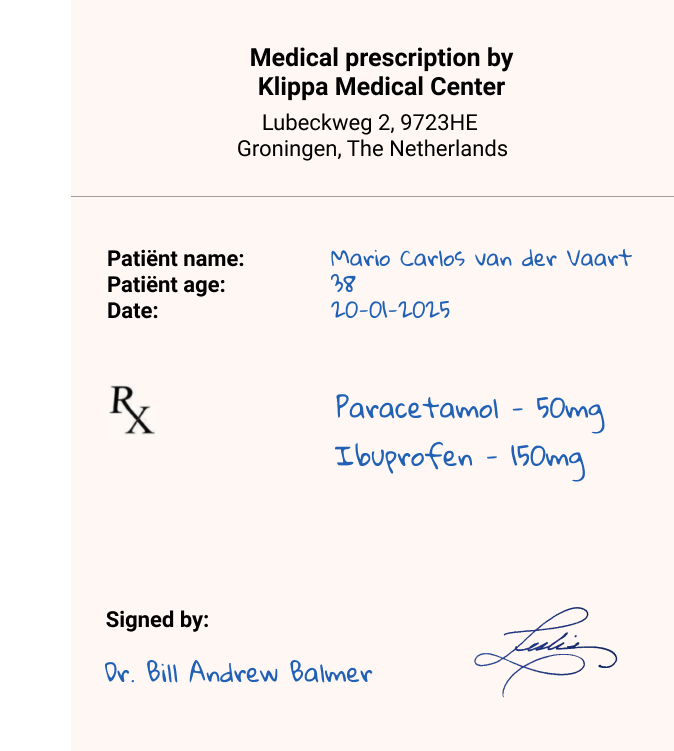
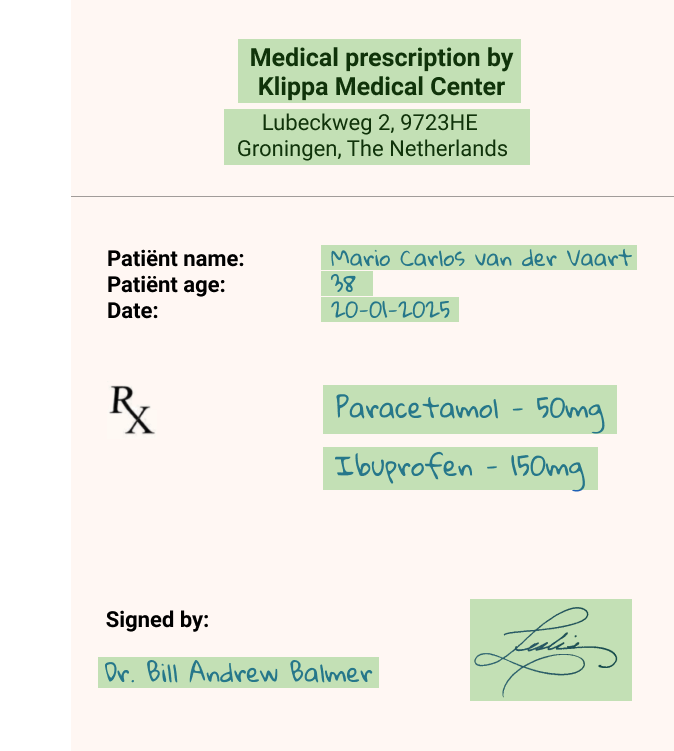
Optical Character Recognition (OCR) and Intelligent Document Processing (IDP) convert physical and unstructured digital documents into searchable electronic archives by automating data extraction, including patient details and dates. These technologies digitize even handwritten notes with accuracy, improving accessibility and minimizing errors.
Integration with EHR Systems
The solution should integrate smoothly with existing EHR platforms, ensuring digitized data fits into the broader healthcare system. This centralizes patient information, enabling quicker and better-informed decisions without duplicating efforts.
Data Security and Compliance
A robust digitization solution must ensure data security with encryption, access controls, and audits while complying with regulations like HIPAA or GDPR to protect patient trust and avoid legal risks.
Scalability and Customization
A scalable and customizable solution supports growing healthcare needs by handling larger record volumes and tailoring workflows to meet specific requirements, ensuring efficiency and long-term usability.
How Doxis Can Help with Medical Record Digitization
Digitizing medical records doesn’t have to be complex. With Doxis AI.dp, healthcare providers can seamlessly automate their digitization processes while ensuring accuracy, security, and scalability. Here’s how Doxis makes it possible:
OCR and IDP for accurate data extraction
Doxis AI.dp leverages advanced OCR and AI to extract key information from scanned documents, images, and handwritten notes. Whether it’s patient names, medical histories, or test results, Doxis ensures precise and efficient data capture from medical documents.
Secure storage with full compliance
Patient privacy is a top priority. Doxis ensures secure data storage with encryption and access controls, fully compliant with regulations like HIPAA, GDPR, and more. This guarantees that sensitive medical information is protected at all times.
Scalable solutions for all organizations
Whether you’re managing a small clinic or a large hospital network, Doxis AI.dp grows with you. Its scalable design handles increasing record volumes without compromising performance, adapting to your specific operational needs.
Conclusion
Digitizing medical records is no longer just a technological upgrade, it’s a transformative shift in how healthcare organizations operate and care for their patients. By moving away from outdated paper systems, healthcare providers can streamline administrative tasks, improve data accuracy, and enhance patient outcomes.
With features like real-time data accessibility, seamless interoperability, and robust security, digital medical records not only address the challenges of traditional record-keeping but also open the door to advanced technologies like AI-driven analytics. The benefits are undeniable: faster workflows, cost savings, improved collaboration, and safer, more personalized care.
Solutions like Doxis AI.dp make this transition simple and effective. With cutting-edge OCR and IDP for healthcare, secure data storage, and scalable customization, Doxis empowers organizations of all sizes to digitize their records with confidence. Are you ready to transform your medical archive management?
FAQ
The process typically involves five key steps: scanning physical documents, indexing and classification using AI/OCR to add metadata, storing the files in a secure Document Management System (DMS) or EHR, performing quality assurance to ensure clarity, and finally, the secure disposal of the original paper records.
Digitization enhances security by replacing vulnerable paper files with encrypted digital records. Advanced systems offer access controls, audit trails, and secure backups, making it easier to meet the strict data protection requirements of HIPAA and GDPR.
Healthcare organizations often face three primary hurdles: high initial costs for technology and training, temporary workflow disruption during the transition, and issues with interoperability—the ability to share data seamlessly between different EHR platforms.
Indexing is the process of tagging scanned documents with metadata, such as the patient’s name, date of birth, and document type. This makes the digital files searchable and ensures that healthcare providers can find specific records instantly.
Yes. Modern Intelligent Document Processing (IDP) solutions use advanced OCR (Optical Character Recognition) and AI to recognize and extract data from both printed text and handwritten medical notes, converting them into searchable digital formats.
Absolutely. Unlike paper records, which can be destroyed by fire or floods, digital records are stored on secure servers or in the cloud. Frequent digital backups ensure that patient data remains accessible even in the event of a physical disaster.