


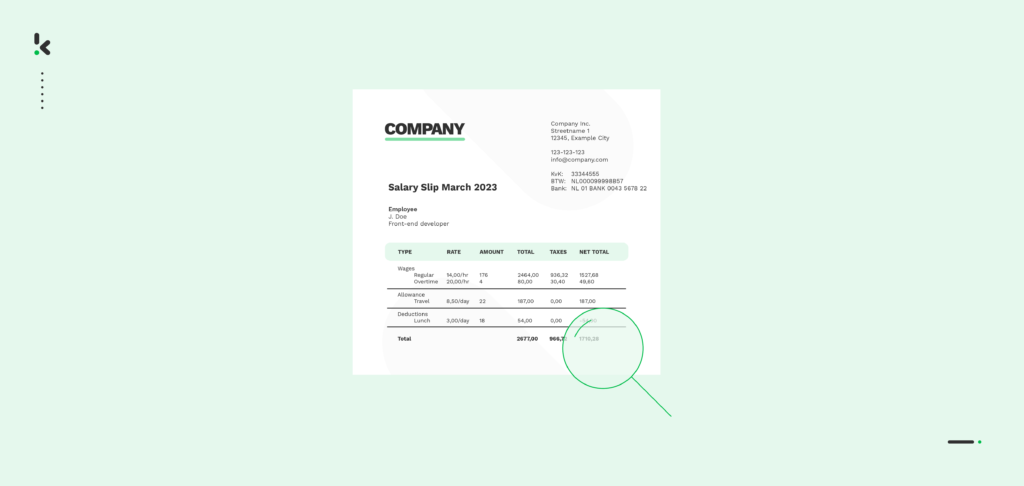
AI-powered document verification can instantly detect fake loan documents, cutting fraud losses by up to 90% and speeding approvals from days to seconds. This is a must-have for lenders processing thousands of applications. According to the Federal Trade Commission, companies faced fraud losses totaling $12.5 billion.
Fraudsters aren’t sending lazy fakes anymore. They use sophisticated tools, altered metadata, and even AI-generated content to make documents look spotless to the human eye. Manually checking each file is slow, error-prone, and impossible to scale with thousands of applications per month.
To minimize losses, accelerating approvals, and staying ahead of fraudsters, it is crucial to verify authentic documents and identify fakes, whether you check them manually or with intelligent automation. AI-powered tools that combine optical character recognition, natural language processing, and advanced metadata analysis can verify document authenticity within seconds.
Key Takeaways
- Fake loan documents are more sophisticated than ever. Modern forgeries can bypass traditional manual checks, putting lenders, landlords, and employers at risk of significant financial losses.
- Manual verification is slow and unreliable when processing thousands of applications, increasing the chance of fraud slipping through.
- Doxis AI.dp provides scalable, AI-powered protection by verifying documents in seconds, flagging anomalies, and integrating directly into loan approval workflows.
- AI-powered verification improves fraud detection accuracy by combining Optical Character Recognition (OCR), Intelligent Document Processing (IDP), and metadata analysis to identify subtle signs of manipulation.
- Automating verification cuts operational costs, speeds approvals, ensures compliance, and enhances borrower or tenant experience.
How Fake Loan Documents Slip Past Manual Checks
Fraudsters no longer rely on crude editing techniques. Today’s forgeries often use advanced design software, altered metadata, and even AI-generated text to produce documents that appear flawless to the human eye.
Manual reviewers typically look for visible inconsistencies in fonts, alignments, spacing, or colours, and may check basic file properties. However, these methods are becoming increasingly ineffective because:
- High-quality forgeries replicate the exact layout, font styles, and formats used by legitimate banks, payroll providers, or tax agencies.
- Metadata manipulation hides editing history by removing or altering creation and modification timestamps.
- AI-assisted forgery tools can generate realistic pay stubs, bank statements, and tax records that pass superficial visual inspection.
- Subjective human judgment means fatigue or distraction can cause subtle anomalies to be overlooked, especially when processing thousands of documents.
As a result, fake loan documents can evade detection until a fraudulent loan has already been approved, leading to costly write-offs and regulatory compliance risks.
Two Methods to Detect Fake Loan Documents
Lenders and fraud analysts typically rely on one of two approaches to determine whether loan application documents are genuine:
1. Manual Verification
A human reviewer examines each document for visible inconsistencies such as font differences, alignment errors, spacing issues, and unusual colouring.
Analysts may also check PDF properties for signs the file was edited with software like Photoshop and verify details such as author fields or source information.
While this method can catch basic forgeries, it is slow, prone to human error, and cannot scale to handle thousands of applications per month.
2. Intelligent Automation
AI-powered tools such as Doxis AI.dp use Optical Character Recognition (OCR), metadata analysis, and Intelligent Document Processing (IDP) to detect manipulated documents.
These systems cross-check extracted information against trusted sources like employer payroll systems or government databases, uncovering anomalies invisible to the human eye.
Automation delivers faster review times, higher accuracy, and consistent fraud detection even with large document volumes.
Limitations of Manual Loan Document Verification
Manual document verification once offered a reasonable defense against loan application fraud. Today, it is no longer sufficient due to four critical shortcomings:
- Time-Intensive Review
Checking each document for anomalies can take five to ten minutes. When lenders process thousands of applications monthly, this becomes a bottleneck that slows down approvals and increases operational costs. - High Risk of Human Error
Fatigue, distraction, and the subjective nature of manual review increase the likelihood of missing subtle inconsistencies or manipulation. - Inability to Detect Advanced Tampering
Modern fraudsters use professional-grade editing tools and altered metadata to replicate the exact appearance of genuine bank statements, pay stubs, or tax records. - Scalability Challenges
Manual processes cannot keep up with large volumes of loan applications without significantly increasing staff and costs.
These limitations leave lenders exposed to costly write-offs, compliance issues, and reputational damage. In contrast, AI-powered verification offers speed, accuracy, and reliability. These are essential advantages in today’s high-sophistication fraud landscape.
Intelligent and Automated Fraud Detection
Picture yourself talking to an experienced fraud analyst. You may ask “What are the most important pieces of personal information in bank statements?” The analyst might be able to name all required elements, however, it cannot be expected that they have memorised all document features and styles across all different kinds of banks and institutions.
Automated detection replaces manual inspection with AI‑powered software that processes and identifies fake documents faster and more accurately. An automated approach reduces human error, making it ideal for businesses reviewing large document volumes to spot fake documents with AI.
Automated fraud detection solutions automates these tasks by:
1. Extracting Text and Metadata via OCR
Optical Character Recognition software scans documents and converts the content into machine‑readable text. This allows an instant document check of credit card statements, bank statements and pay slips.
2. Checking Metadata for Image Tampering
EXIF metadata analysis and examining timestamps, file properties, and creation software can reveal hidden alterations, such as a bank statement edited in Photoshop.
3. Applying Intelligent Document Processing (IDP)
Intelligent Document Processing brings together OCR, artificial intelligence, and machine learning to extract structured data from loan application documents. This information can then be cross‑checked against trusted sources such as employer payroll systems or government databases.
4. Validate Layouts
AI‑powered software checks different documents layouts against official standards based on the document type.
5. Detect Subtle Font Mismatches with OCR
Fraudsters often manipulate only a small part of a document. For example, they may change a single digit in a salary figure and hope these changes pass unnoticed. OCR can identify inconsistencies in font style, size, and spacing that signal manipulation.
- Font type analysis compares each character to the expected font.
- Character spacing checks highlight unnatural gaps or tightness.
- Size and weight consistency ensures uniform appearance across the document.
- Template matching compares extracted text against official templates.
A single altered digit might escape the human eye. OCR will pinpoint it instantly, giving your fraud detection process the precision and reliability needed to reject forged documents before approval.
Example: Bank Statement Tampering Detection
A lender receives a bank statement from an applicant as part of a loan request. At first glance, the document appears legitimate. The layout matches the bank’s standard format and the figures seem consistent.
Doxis AI.dp quickly runs the document through its verification process:
- OCR Extraction
The software scans the statement and converts all text into machine-readable data. It identifies that one digit in the “Account Balance” field has a slightly different font compared to the rest of the statement. - Metadata Analysis
Hidden file properties reveal that the statement was created using an editing program rather than the bank’s official platform. The creation date is just minutes before submission. - Template Validation
The document’s structure is compared against the official template from the issuing bank. A discrepancy in the transaction table format confirms that the layout is not authentic. - Cross-Checking with Trusted Sources
The extracted account balance is verified against records from the bank’s API. The amounts in the application do not match the official source.
Within 1.5 seconds, Doxis AI.dp flags the statement as fraudulent. The lender avoids approving a high-risk loan, preventing a potential loss.
Advantages of Automated Loan Document Verification
Automating the verification of loan application documents such as pay stubs, bank statements, and tax records delivers significant improvements in accuracy, efficiency, and compliance. Doxis AI.dp enhances fraud detection and streamlines lending workflows.
Key advantages include:
- Enhanced Accuracy
AI-powered systems detect subtle signs of manipulation that human reviewers often miss. This includes mismatched font styles, altered metadata, and inconsistencies in financial figures. - Faster Approvals
Documents can be verified in seconds instead of minutes. This means legitimate borrowers receive funding sooner and lenders reduce decision delays. - Scalable Protection
Automated systems can handle thousands of loan applications a day without increasing staff or infrastructure requirements. - Reduced Operational Costs
Automation lowers labour expenses and decreases write-offs by preventing fraudulent approvals. - Improved Compliance
Every verification is digitally recorded for audit readiness, satisfying regulatory requirements and reducing compliance risks.
Benefits of AI-Powered Loan Document Verification
When processing loan applications, technologies like AI, OCR, and machine learning can deliver substantial benefits. They help lenders detect discrepancies and signs of fraud that human reviewers might overlook, improving accuracy in identifying forged pay stubs, manipulated bank statements, or altered tax records.
Automated systems also streamline verification processes, cutting the time and resources needed for manual checks and making it more efficient to handle large application volumes. Here are the key advantages of integrating AI-powered loan document verification into your lending process:
- Faster Loan Approval Times. AI verifies loan application documents in seconds, drastically reducing manual review times. This speeds up onboarding and ensures legitimate borrowers receive funding sooner.
- Enhanced Fraud Detection Accuracy. Advanced algorithms spot subtle signs of manipulation such as inconsistent fonts, mismatched financial figures, or suspicious metadata that might slip through the human detection.
- Reduced Operational Costs. Automation reduces labor expenses and mitigates the risk of approving fraudulent loans, generating substantial long-term savings.
- Tamper Detection Through Metadata Analysis. AI inspects file properties, including EXIF data and timestamps, to uncover signs of digital manipulation or forgery.
- Improved Borrower Experience. Faster verification means quicker approvals for genuine applicants, resulting in smoother loan processing and higher satisfaction.
Verify Loan Documents with Doxis AI.dp
Doxis AI.dp is an AI-driven document processing platform designed to identify tampering in loan documents and prevent document fraud. By combining Optical Character Recognition (OCR), metadata inspection, and Intelligent Document Processing (IDP), it can confirm authenticity within seconds and flag anomalies.
Doxis AI.dp also cross‑checks data from loan application documents against trusted sources such as employer payroll systems and government tax records. This verification process ensures that income claims are accurate and prevents forged pay stubs, inflated earnings, or manipulated bank statements from passing through loan approval workflows undetected.
Doxis AI.dp allows lenders to:
- Identify manipulations through metadata checks and document screening.
- Process documents at scale without adding staff or infrastructure.
- Reduce operational costs by faster processing and less manual workload.
- Ensure compliance by recording each verification for full audit preparedness.
- Integrate simply into existing systems using REST API or SDK.
Moving from knowing the risks to actively preventing loan fraud is straightforward with Doxis AI.dp. In a short time, you can integrate our AI-powered verification into your lending workflow via REST API or SDK without requiring additional infrastructure. This enables instant OCR scanning, metadata validation, and cross-checking against trusted sources, reducing fraud losses and speeding approvals for legitimate borrowers.
Ready to see how Doxis’ technology can strengthen your defenses against loan fraud? Contact one of our specialists or schedule a free demo today to explore how it works for your business.
FAQ
1. What is loan fraud and why is it on the rise?
Loan fraud occurs when applicants submit forged documents such as bank statements, pay stubs, or tax returns to secure credit or funds they have no intention of repaying. The problem is growing as fraudsters now use advanced tools, altered metadata, and even AI-generated content to create convincing forgeries that can pass traditional manual checks.
2. How much do companies lose to document fraud?
According to the U.S. Federal Trade Commission, companies faced fraud-related losses of $12.5 billion in a recent year. These losses are often linked to fake financial documents slipping through outdated verification methods.
3. Why is manual document verification no longer effective?
Manual verification relies on human reviewers spotting inconsistencies in fonts, formatting, spacing, and colors but modern forgeries are crafted to be visually flawless, making them hard to detect. Additionally, manual checks are time-consuming , error-prone, and cannot scale to thousands of loan applications per month.
4. What technologies can detect fake documents more effectively?
Doxis AI.dp AI-powered tools using OCR, metadata analysis, intelligent document processing, and layout validation are some of the tools to identify fake loan documents.
5. What are the advantages of AI-powered loan document verification?
Key benefits include faster approval times, improved fraud detection accuracy, lower operational costs, tamper detection and better borrower experiences.
6. Can Doxis AI.dp be integrated into existing systems?
Yes. Doxis AI.dp’s API and SDK allow seamless integration into lending workflows, supporting multiple file types and scaling effortlessly from hundreds to thousands of documents per day without additional infrastructure.